Comprehensive Equine & Large Animal Care
Your pet can have a dental problem without making it obvious. Many dogs and cats continue eating, playing, and acting normally even when plaque, tartar, or gum inflammation is developing. Because pets do not always show mouth pain clearly, dental problems can be easy to overlook.
For families in Canton, IL, routine oral health checks can be an important part of keeping dogs and cats healthy throughout their lives. Dental care is not only about keeping the teeth clean; it also helps your veterinarian monitor the condition of your pet’s gums, teeth, and mouth.
Pet dental care can include routine oral examinations, professional cleanings when recommended, and guidance for maintaining your pet’s dental health at home. Knowing the warning signs and understanding what professional care involves can help you make informed decisions about your pet’s health.
Does Your Pet Really Need Dental Care?
Yes. Dogs and cats can develop plaque and tartar just as people do, and dental disease can progress gradually if it is not addressed. Regular veterinary examinations allow the mouth to be checked for signs of gum inflammation, damaged teeth, tartar buildup, and other concerns.
Dental needs vary from one pet to another. Age, breed, genetics, diet, home dental care, and previous oral health problems can all influence how frequently a pet may need professional attention.
What Are the Signs of Dental Problems in Dogs and Cats?
Some dental problems produce noticeable changes, while others may be harder to detect. Common signs include:
Persistent Bad Breath
A mild odor after eating may not be unusual, but persistent or increasingly unpleasant breath can be associated with plaque, tartar, gum disease, or other oral concerns.
Red, Swollen, or Bleeding Gums
Healthy gums generally should not remain red, swollen, or prone to bleeding. Changes around the gumline may indicate inflammation and should be evaluated by a veterinarian.
Visible Tartar or Discolored Teeth
Yellow or brown buildup on the teeth is often tartar. Unlike soft plaque, hardened tartar cannot simply be brushed away at home. Professional dental care may be recommended to remove buildup and assess the health of the mouth.
Difficulty Eating or Chewing
A pet experiencing oral discomfort may chew differently, drop food, eat more slowly, avoid certain foods, or show less interest in eating. These changes can have several possible causes, so they warrant veterinary attention.
Drooling or Pawing at the Mouth
Excessive drooling, rubbing the face, or repeatedly pawing at the mouth can be signs of discomfort. A veterinary examination can help determine whether the problem is related to the teeth, gums, or another condition.
Why Is Dental Care Important for Pets?
Dental disease can affect more than the visible surface of the teeth. Plaque can accumulate along the gumline and contribute to inflammation. Over time, untreated dental disease may cause damage to the tissues supporting the teeth and can become painful.
Routine dental evaluations can help identify problems earlier, when they may be easier to address. Dental care can also be especially valuable for older pets or animals with a history of oral health concerns.
What Does Professional Pet Dental Care Involve?
Professional dental care is different from simply brushing a pet’s teeth at home. Depending on your pet’s needs, veterinary dental care may involve examining the mouth, assessing the teeth and gums, removing plaque and tartar, and evaluating areas that cannot be fully assessed during a quick visual check.
Your veterinarian may recommend a professional cleaning based on your pet’s oral health, age, medical history, and risk factors. If a dental problem is suspected, additional evaluation may be needed before determining the appropriate treatment.
How Can You Help Protect Your Pet’s Teeth at Home?
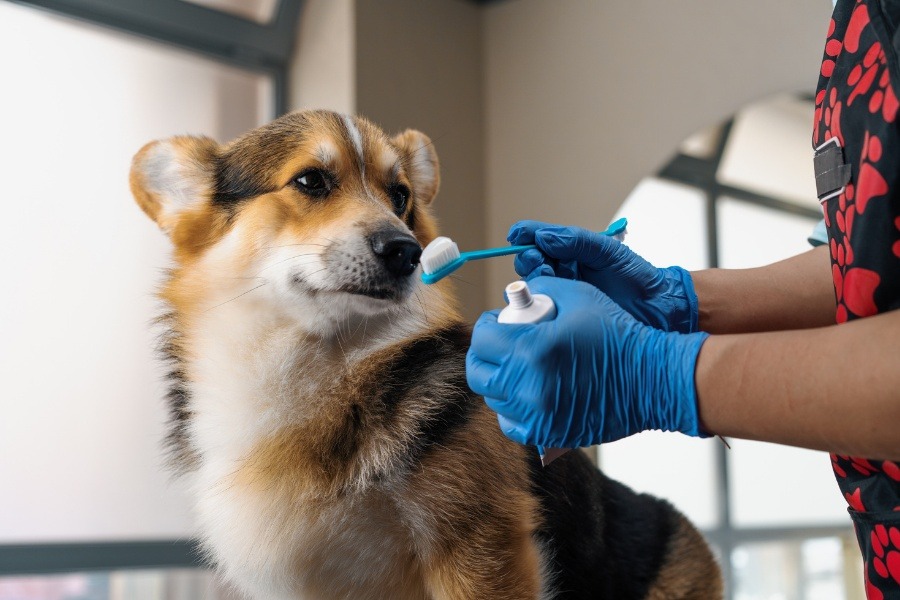
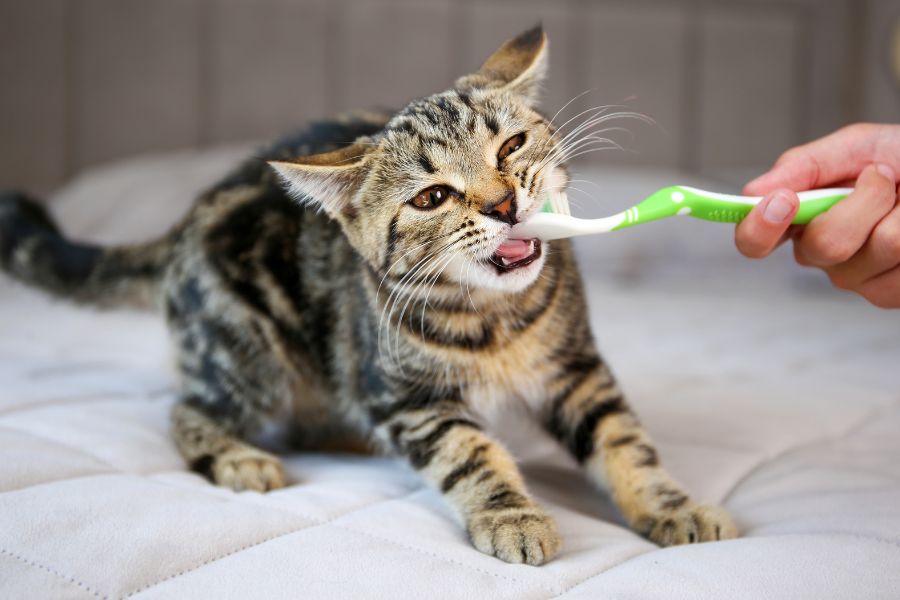
Home dental care can help reduce plaque buildup between veterinary visits. Regular brushing with products specifically made for pets may be recommended. Some pets may also benefit from veterinarian-approved dental diets, chews, or other oral-care products.
Introduce brushing gradually, particularly if your pet is not accustomed to having their mouth handled. Never use human toothpaste unless your veterinarian specifically advises it, since some ingredients may be unsafe for animals.
Home care is helpful, but it does not replace professional dental examinations. Your veterinarian can recommend a routine that fits your dog or cat rather than relying on a one-size-fits-all approach.
When Should You Contact a Veterinarian?
Contact your veterinarian if you notice persistent bad breath, swollen or bleeding gums, significant tartar, a damaged or loose tooth, changes in chewing, excessive drooling, facial swelling, or unusual sensitivity around the mouth.
A sudden refusal to eat, obvious signs of pain, or significant swelling should receive prompt veterinary attention. Even if your pet seems comfortable, gradual changes in breath, eating habits, or behavior are worth mentioning during a veterinary visit.
Dental problems can develop quietly, so waiting until your pet stops eating or shows obvious discomfort may mean missing earlier warning signs. Regular veterinary examinations, appropriate professional dental care, and consistent home care can all contribute to better oral health.
If you are concerned about your dog or cat’s teeth, gums, breath, or eating habits, Spoon River Animal Clinic can evaluate your pet’s oral health and discuss appropriate next steps. Schedule a veterinary appointment to address dental concerns and keep your pet’s overall health on track.
Frequently Asked Questions
Q1. How often should my pet have a dental examination?
Ans: Dental health should be checked during routine veterinary visits, while the need for professional dental care varies based on your pet’s age, oral health, breed, and individual risk factors.
Q2. Can my pet have dental disease without obvious symptoms?
Ans: Yes. Dogs and cats may continue eating and behaving normally despite developing dental problems. Routine examinations can help identify concerns that may not be obvious at home.
Q3. Is brushing my pet’s teeth enough to prevent dental problems?
Ans: Brushing can help control plaque, but it does not replace veterinary dental examinations or professional care when needed. Your veterinarian can recommend an appropriate dental routine for your pet.
Q4. Does Spoon River Animal Clinic provide dental care for pets?
Ans: Spoon River Animal Clinic can evaluate your pet’s oral health and discuss dental care recommendations based on their individual needs.
Q5. When should I schedule a dental evaluation for my pet?
Ans: Consider scheduling an evaluation if you notice bad breath, tartar, gum changes, difficulty chewing, drooling, or other changes involving your pet’s mouth or eating habits.