Comprehensive Equine & Large Animal Care

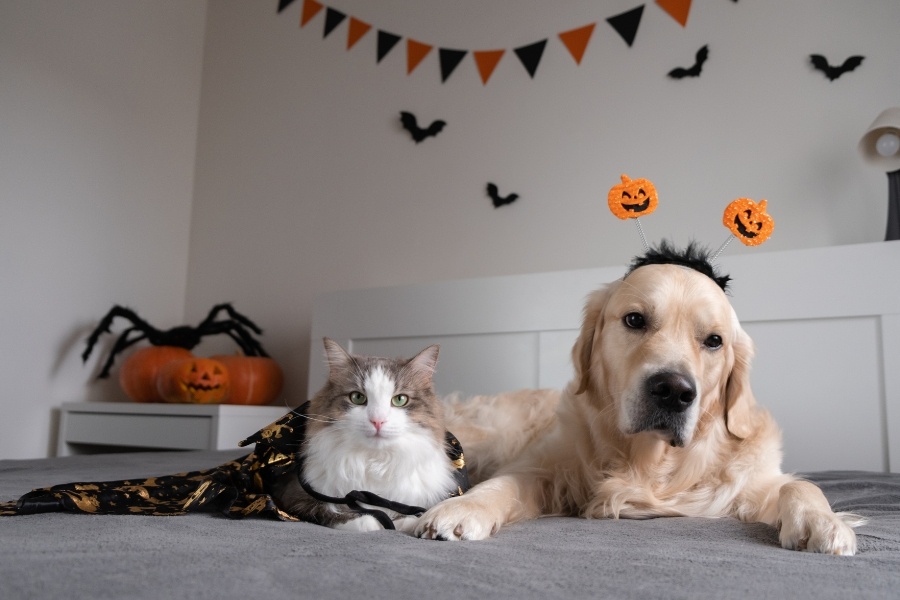
Halloween can be an exciting time for families, with costumes, decorations, visitors, and trick-or-treating. But for dogs and cats, the extra activity can feel confusing or overwhelming. Unfamiliar noises, strange-looking costumes, and frequent doorbell rings may leave pets feeling uneasy, even if they usually seem calm at home.
At Spoon River Animal Clinic, helping pets stay comfortable and healthy is an important part of veterinary care. Recognizing signs of stress early can help you make Halloween safer and more comfortable for your furry family members.
For pet owners in Canton, IL, knowing what to watch for can make a real difference during the holiday. If your pet shows unusual behavior or you are unsure whether something is wrong, a vet near you can help you understand your pet’s needs and determine whether professional care is appropriate.
Why Halloween Can Be Stressful for Pets
Pets depend on familiar routines, surroundings, and sounds to feel secure. Halloween can disrupt those routines with visitors, loud celebrations, flashing decorations, and unfamiliar smells. Dogs may become anxious when strangers approach the house, while cats may prefer to avoid the noise and hide somewhere quiet.
Not every pet reacts in the same way. Some become restless or clingy, while others withdraw or stop engaging with the family. Learning your pet’s normal behavior can help you recognize when something has changed.
5 Halloween Stress Signs Every Pet Owner Should Know
1. Hiding or Avoiding People
A normally social pet may suddenly retreat under a bed, hide in a closet, or stay in another room. Cats often hide when they feel threatened, but dogs may also seek shelter from unfamiliar sounds or visitors.
Hiding is one way pets create distance from something that makes them uncomfortable. Avoid pulling your pet out of a hiding place or forcing them to greet guests. Instead, provide a quiet, secure area where they can settle without interruption.
2. Excessive Barking, Meowing, or Whining
Frequent doorbell rings, knocking, and excited visitors can trigger repeated barking in dogs. Cats may meow more than usual, while either species may whine or vocalize to communicate discomfort.
Pay attention to when the behavior starts. If your pet becomes vocal whenever someone approaches the door, the activity may be overwhelming. Keep your pet at a comfortable distance from the entrance, and consider using a quieter room away from the main gathering.
3. Pacing, Panting, or Restlessness
A stressed dog may pace around the house, pant when it is not hot, tremble, or struggle to settle down. Cats may repeatedly change hiding spots, crouch low, or appear unusually alert.
These behaviors can indicate anxiety, but they may also have medical causes. If panting, trembling, or restlessness is intense, persistent, or unusual for your pet, contact your veterinarian rather than assuming Halloween is the only explanation.
4. Changes in Body Language
Pets often communicate discomfort through subtle physical signals. Dogs may tuck their tails, flatten their ears, lick their lips repeatedly, yawn when not tired, or turn their heads away. Cats may pin their ears back, swish their tails, crouch close to the ground, or widen their eyes.
These signs can be easy to miss when you are busy hosting or handing out candy. Give your pet space if you notice them. Avoid forcing interactions, dressing your pet in a costume they resist, or allowing children to crowd them.
A pet that feels trapped may eventually growl, scratch, or snap. Respecting early warning signs can help prevent the situation from escalating.
5. Changes in Appetite or Normal Behavior
Some pets respond to stress by refusing food, ignoring toys, becoming unusually clingy, or losing interest in activities they normally enjoy. Others may have accidents indoors despite being house-trained or litter-trained.
A temporary behavior change can happen during a disruptive evening, but it should not automatically be blamed on anxiety. If your pet refuses food, vomits, has diarrhea, seems unusually tired, or continues acting differently after Halloween, contact your veterinarian for guidance.
How to Help Your Pet Feel Safer on Halloween
A few simple adjustments can help reduce holiday stress:
- Create a quiet retreat: Set up a comfortable room with familiar bedding, water, and favorite toys. Keep visitors away from this space.
- Keep routines consistent: Maintain your pet’s usual feeding, walking, and rest schedule as much as possible.
- Limit access to the front door: Frequent opening creates opportunities for pets to bolt outside. Keep dogs and cats in a secure area when trick-or-treaters arrive.
- Be careful with costumes: Never force your pet to wear clothing that restricts movement, hearing, vision, or breathing. Skip the costume if your pet seems uncomfortable.
- Offer calm reassurance: Speak gently and allow your pet to choose whether to approach you. Do not punish fearful behavior.
- Keep treats and decorations out of reach: Chocolate, xylitol-containing candy, electrical cords, and small decorations can create additional hazards.
If your pet is consistently frightened by visitors, loud noises, or changes in routine, your veterinarian can discuss practical ways to manage anxiety and whether further evaluation is needed.
When Should You Contact a Veterinarian?
Contact your veterinarian if your pet’s stress appears severe, lasts beyond the event, or comes with other concerning changes. Difficulty breathing, collapse, seizures, serious injury, or suspected ingestion of a toxic substance requires urgent veterinary guidance. Do not wait for symptoms to appear if you suspect your pet has eaten something dangerous.
Help Your Pet Enjoy a Calmer Halloween
Halloween does not have to be overwhelming for dogs and cats. By watching for changes in behavior, respecting your pet’s boundaries, and providing a quiet place to retreat, you can help them feel more secure throughout the festivities.
If your pet shows signs of stress or develops unusual symptoms around Halloween, schedule an appointment with your veterinary team to discuss your concerns and help your pet stay healthy and comfortable.
Frequently Asked Questions
Q1. Can Halloween decorations scare dogs and cats?
Ans: Yes. Inflatable decorations, sudden movements, flashing lights, and unfamiliar sounds may frighten some pets. Introduce new decorations gradually when possible, and give your pet space to avoid anything that makes them uneasy.
Q2. Should I take my pet trick-or-treating?
Ans: It depends on your pet’s temperament. Pets that are comfortable around crowds and noise may tolerate a short outing, but many are safer and more relaxed at home. Keep your pet leashed or securely contained, and never force them to participate.
Q3. Is hiding always a sign of stress in cats?
Ans: No. Cats naturally seek quiet, secluded places to rest. However, hiding more than usual or avoiding familiar people may indicate fear, discomfort, or illness. Contact your veterinarian if the behavior is new, persistent, or accompanied by other changes.
Q4. Can Spoon River Animal Clinic help if my pet behaves differently after Halloween?
Ans: If your pet continues to act unusually after the holiday, the veterinary team can help assess whether the change may be related to stress or another concern. Share when the behavior began and any additional symptoms you have noticed.
Q5. Should I comfort my pet when they are frightened by Halloween noises?
Ans: Yes. You can speak calmly, stay nearby if your pet seeks you out, and provide a safe place to rest. Let your pet decide whether they want physical contact, and avoid forcing them to interact with visitors.
Q6. How can I prepare my pet for Halloween visitors?
Ans: Give your pet a quiet, secure room before visitors arrive. Keep food, water, bedding, and familiar toys available, and make sure guests know not to enter the space or approach your pet without permission.