Comprehensive Equine & Large Animal Care

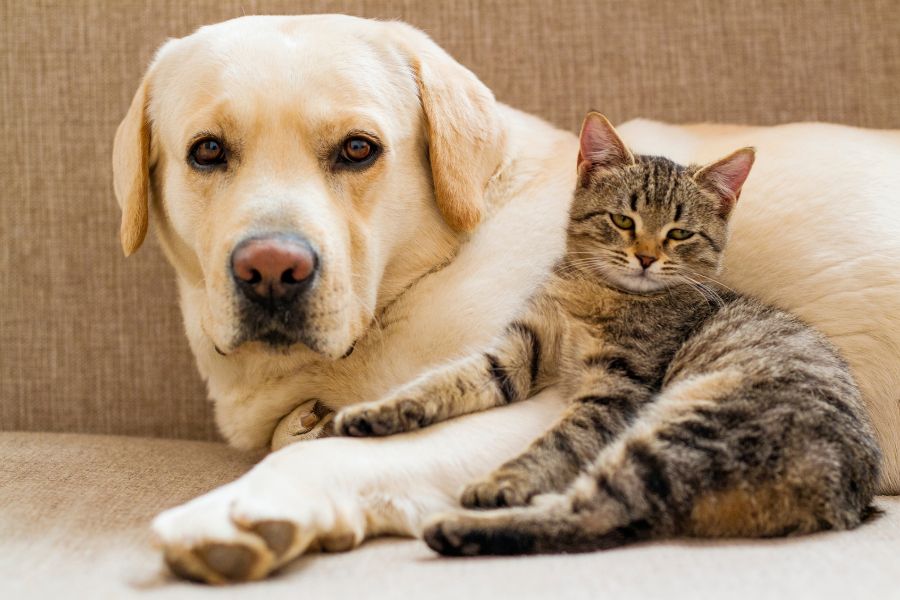
Pets cannot tell us when something hurts, and many dogs and cats continue their usual routines even when they feel uncomfortable. A dog may stop jumping onto the couch, while a cat may spend more time hiding or become less interested in being touched. These small changes can be easy to overlook, but they may signal pain or an underlying health concern.
At Spoon River Animal Clinic, understanding changes in a pet’s behavior is an important part of supporting their health. If you are looking for a Veterinarian in Canton, IL, learning to recognize subtle signs of discomfort can help you know when your pet may need a veterinary examination.
Pain does not always cause crying, limping, or other obvious symptoms. Some pets become quieter, change their eating habits, or avoid activities they once enjoyed. Paying attention to what is normal for your pet can help you notice these changes and seek veterinary guidance when needed.
Why Do Pets Hide Signs of Pain?
Animals may instinctively conceal discomfort, so they do not always show clear signs when something is wrong. Some pets continue eating or interacting with family members despite pain. Others may change their behavior gradually, making the difference harder to notice.
Cats, for example, may hide more often, avoid jumping, or become less tolerant of handling. Dogs may walk more slowly, hesitate before climbing stairs, or lose interest in play. These changes do not always mean a pet is in pain, but they deserve attention when they are new, persistent, or getting worse.
Age, personality, and medical history can also influence how pets respond to discomfort. Rather than relying on one symptom, observe your pet’s overall behavior and look for changes in daily routines.
Subtle Signs Your Pet May Be in Pain
Recognizing early changes can help you decide when to contact a veterinarian. Watch for the following signs in dogs and cats.
1. Changes in Normal Behavior
A normally social pet may begin avoiding family members, hiding in quiet places, or reacting differently when approached. Some pets become restless, unusually clingy, or irritable.
These changes may have several causes, including stress or illness. If the behavior is unusual for your pet or continues without an obvious explanation, a veterinary assessment may help identify what is happening.
2. Reduced Activity or Reluctance to Move
A pet that once enjoyed walks, playtime, or jumping onto furniture may begin avoiding these activities. You might notice slower movement, hesitation on stairs, stiffness after resting, or difficulty getting comfortable.
These changes can sometimes be associated with joint discomfort, an injury, or another medical issue. Do not assume that reduced activity is simply a normal part of aging, particularly if it develops suddenly or interferes with everyday movement.
3. Changes in Eating or Drinking
Pain or illness may affect a pet’s appetite. Your dog may leave food unfinished, or your cat may approach the food bowl but eat less than usual. Some pets may also drink more or less than normal.
Dental discomfort can make chewing difficult, while other health problems may affect appetite and thirst. Monitor these changes and contact your veterinarian if they persist or occur alongside vomiting, weakness, weight loss, or other concerning symptoms.
4. Unusual Grooming or Posture
Cats may groom less when uncomfortable, leaving their coats looking unkempt. Others may repeatedly lick one area of the body. Dogs may also lick or chew a sore spot.
You may notice your pet hunching, holding their head differently, or repeatedly changing positions while resting. These behaviors can have different causes, so avoid trying to diagnose the problem at home.
5. Sensitivity to Touch
A pet that suddenly pulls away, flinches, growls, or cries when touched may be experiencing discomfort. Even a normally gentle pet may react defensively when a painful area is handled.
Avoid pressing on the area or repeatedly testing your pet’s reaction. Give them space and contact a veterinarian for guidance.
6. Changes in Facial Expressions or Sounds
Squinting, flattened ears, a tense face, or an unusual resting posture may sometimes indicate discomfort. Whimpering, growling, or increased vocalization can also be warning signs, although some pets show no obvious signs at all.
How Can a Veterinarian Identify Hidden Pain?
A veterinary examination can help identify signs that may not be obvious at home. A veterinarian may ask about changes in activity, appetite, sleep, grooming, and behavior before examining your pet’s movement, posture, and areas of concern.
Depending on the findings, additional tests may be recommended to investigate possible causes. The appropriate approach depends on your pet’s symptoms, medical history, and examination results.
If you are searching for a Veterinarian in Canton, sharing small behavioral changes with your veterinary team can be helpful. Keep notes about when the changes started, how often they occur, and whether anything seems to make them better or worse.
When Should You Seek Veterinary Care?
Contact a veterinarian if your pet’s behavior changes persist, movement becomes difficult, appetite decreases, or you suspect ongoing discomfort. Sudden severe pain, an inability to stand, difficulty breathing, collapse, or major injuries require immediate veterinary attention.
Never give human pain medication to your pet unless a veterinarian specifically instructs you to do so. Some common medications can be toxic to dogs and cats.
Pets may hide pain, but changes in movement, appetite, grooming, posture, or behavior can offer important clues. Noticing these differences early and discussing them with a veterinarian can help you understand whether your pet needs further evaluation.
Schedule an appointment with Spoon River Animal Clinic if your pet has changes that may indicate pain or illness. For severe or life-threatening symptoms, seek emergency veterinary care immediately.
Frequently Asked Questions
Q1. Why do pets hide their pain from their owners?
Ans: Pets may instinctively hide discomfort, so they do not always cry, limp, or show obvious signs of pain. Instead, they may become less active, hide more often, change their eating habits, or avoid being touched.
Q2. How can I tell if my pet’s behavior change is caused by pain?
Ans: Watch for changes in movement, appetite, grooming, posture, sleep, or social behavior. These signs can have several causes, so a veterinarian can help determine whether pain or another health concern may be involved.
Q3. When should I take my pet to a veterinarian for possible pain?
Ans: Contact a veterinarian if unusual behavior persists, your pet struggles to move, or their appetite changes. Sudden severe pain, collapse, difficulty breathing, or an inability to stand requires immediate veterinary attention.
Q4. Why is observing my pet’s daily routine helpful when discussing concerns with Spoon River Animal Clinic?
Ans: Noticing changes in your pet’s usual activities can help you explain what seems different. Details about eating, sleeping, walking, grooming, and interacting with family members may help the veterinary team assess your concerns.
Q5. What should I do if my pet seems uncomfortable but shows no obvious injury?
Ans: Avoid repeatedly touching or pressing the suspected area. Note any changes in behavior or movement and contact Spoon River Animal Clinic for guidance. Pain can occur without a visible wound, so an examination may be needed to investigate the cause.
Q6. Why should I avoid giving my pet human pain medication before consulting Spoon River Animal Clinic?
Ans: Some human pain medications can be toxic to dogs and cats, even in small amounts. A veterinarian can help determine the safest next steps based on your pet’s symptoms, species, size, and medical history.