Comprehensive Equine & Large Animal Care
Surgery can be stressful for pets and their families, especially when you are unsure what to expect before and after the procedure. Knowing how to prepare your pet, what recovery may involve, and which changes deserve veterinary attention can make the experience less overwhelming.
For pet owners in Canton, IL, having access to dependable veterinary guidance can make preparing for a surgical procedure easier. Your veterinarian can explain what your pet needs before surgery and provide individualized instructions for recovery at home.
Pet surgery may be recommended for many different reasons, from treating an injury or medical condition to addressing a problem that cannot be managed with medication alone. Because every procedure and every pet is different, following your veterinary team’s specific instructions is essential.
How Should You Prepare Your Pet for Surgery?
The best preparation starts with understanding and following your veterinarian’s instructions. Depending on the procedure, you may receive guidelines about food, water, medications, exercise, and arrival time.
Before the appointment, make sure you understand:
- Whether your pet needs to fast before anesthesia
- Which medications should be given or temporarily withheld
- When and where to bring your pet
- What type of procedure is planned
- What you should expect during the initial recovery period
Do not change your pet’s medication, feeding schedule, or routine unless your veterinarian specifically recommends it.
If your pet develops vomiting, diarrhea, coughing, unusual tiredness, or another concerning change before scheduled surgery, let your veterinary team know. They can determine whether the procedure should proceed as planned.
Keep Your Pet Comfortable
Try to keep the days leading up to surgery calm and predictable. Avoid strenuous activity and unnecessary stress. Preparing a quiet recovery area at home ahead of time can also make things easier once your pet returns.
What Happens After Pet Surgery?
After pet surgery in Canton, your pet may be sleepy or less active while the effects of anesthesia wear off. Your veterinarian will explain which changes are expected and what symptoms should prompt a call.
Recovery instructions may involve several important areas.
Limit Activity
Your pet may need restricted exercise depending on the procedure. Running, jumping, rough play, and climbing stairs may need to be limited while tissues heal.
Even if your pet appears energetic, follow the recommended activity restrictions. Feeling better does not always mean the body has completely healed.
Monitor the Surgical Site
If your pet has an incision, inspect it as directed by your veterinarian. Increasing redness, significant swelling, bleeding, unusual discharge, or separation of the incision can require veterinary attention.
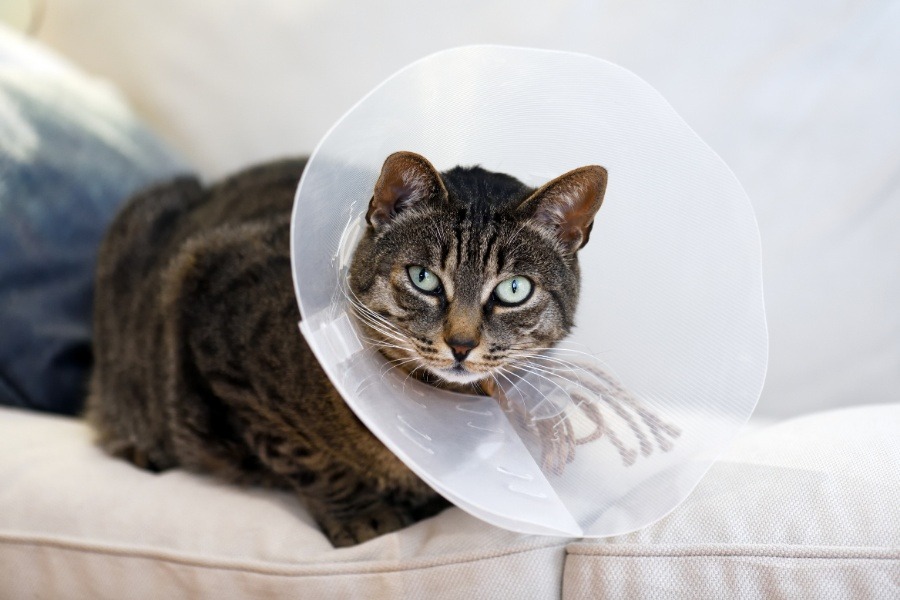
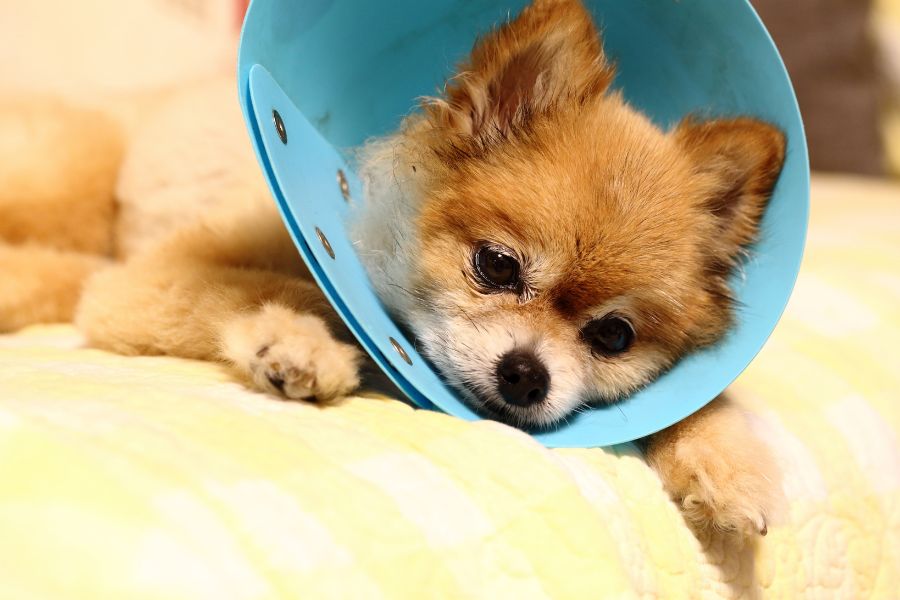
Prevent your pet from licking or chewing the area. Your veterinarian may recommend an Elizabethan collar or another protective option.
Give Medications as Directed
Administer prescribed medications according to your veterinarian’s instructions. Do not adjust doses or stop medications on your own.
If your pet refuses medication, vomits after receiving it, or appears to have an unusual reaction, contact your veterinary team for guidance.
How Can You Support a Smooth Recovery?
A comfortable, quiet recovery environment can help your pet rest. Keep bedding, food, and water easily accessible, particularly if movement is restricted.
Follow your veterinarian’s instructions regarding feeding, walking, bathing, and exercise. Avoid letting your pet return to normal activity too quickly, even if they seem completely recovered.
Recheck appointments are also important. Your veterinarian can evaluate healing, remove sutures when needed, and determine when your pet can safely resume normal activities.
When Should You Contact a Veterinarian?
Contact your veterinary team if your pet’s condition seems to be getting worse or you notice something that does not match the recovery instructions you received.
Potential warning signs can include persistent vomiting, difficulty breathing, significant bleeding, worsening swelling, severe or uncontrolled pain, marked weakness, or an incision that opens or develops abnormal discharge.
If you are unsure whether a particular change is normal, contact your veterinarian rather than trying to manage the problem yourself. Professional guidance can help determine whether your pet needs to be examined.
For pets requiring a surgical procedure, veterinary surgical care can provide the evaluation, treatment, and follow-up guidance needed throughout the process.
Preparing your pet for surgery and following proper aftercare can help make the recovery process more comfortable and manageable. Spoon River Animal Clinic is committed to helping pet owners understand their pet’s surgical care and providing guidance throughout the recovery process.
Give your pet the care and attention they need at every step. Schedule an appointment to discuss your pet’s surgical needs and plan their care.
Frequently Asked Questions
Q1. How long does a pet need to recover after surgery?
Ans: Recovery time depends on the type of surgery, your pet’s overall health, age, and other factors. Minor procedures may require limited activity for a short period, while more involved surgeries can require several weeks of recovery.
Q2. Should I feed my pet before surgery?
Ans: Some procedures require fasting before anesthesia, but instructions vary. Follow the exact feeding and fasting guidelines provided by your veterinarian rather than assuming your pet should or should not eat.
Q3. How do I know if my pet’s surgical incision is healing normally?
Ans: Your veterinarian will explain what to expect based on the procedure. Increasing redness, swelling, bleeding, discharge, or an opening incision can be concerning and should be reported to your veterinary team.
Q4. Does Spoon River Animal Clinic provide pet surgery in Canton?
Ans: Spoon River Animal Clinic provides veterinary care for pets in Canton and can discuss your pet’s surgical needs, including preparation and post-operative care.
Q5. How can I prepare my pet for surgery at Spoon River Animal Clinic?
Ans: The clinic will provide instructions based on your pet and the planned procedure. These may include guidelines about fasting, medications, arrival time, and care after surgery.
Q6. When should I contact Spoon River Animal Clinic after my pet’s surgery?
Ans: Contact the clinic if your pet develops concerning symptoms, has problems with the incision, experiences significant changes in behavior or appetite, or if you are uncertain whether recovery is progressing normally.