Comprehensive Equine & Large Animal Care

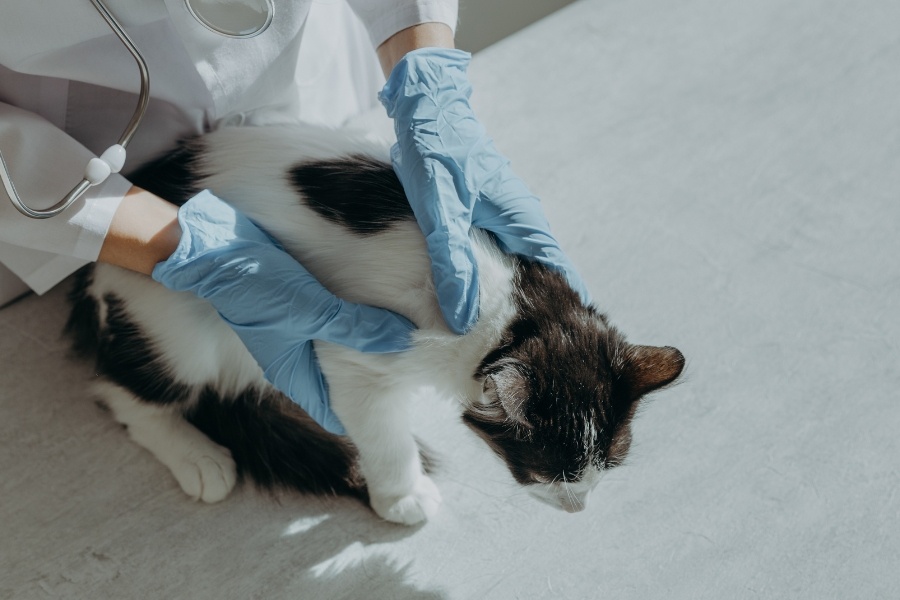
A pet’s health can change in ways that are difficult to explain. Perhaps your dog eats normally but keeps losing weight, or your cat seems less active despite having no obvious signs of pain. When everyday observations do not tell the whole story, veterinary testing can help uncover information that is not visible from the outside.
Finding the cause of an illness is often a process of investigation. A veterinarian gathers details about your pet’s daily habits, examines them, and decides whether specific tests could help answer the questions raised by those findings.
For pet owners in Canton, IL, understanding how pet diagnostic care works can make it easier to navigate an uncertain situation. The purpose is not simply to run tests, but to use the right information to make thoughtful decisions about your pet’s health.
A Health Concern Often Begins With a Small Clue
Sometimes, the first indication of illness is not a dramatic symptom. It may be a change in how often your pet asks to go outside, a new reluctance to climb stairs, or a gradual shift in eating habits.
These details help establish a starting point for the veterinary evaluation. Your veterinarian may ask when the change began, whether it has progressed, and whether anything else seems different. A physical examination adds further clues that can help determine which health concerns deserve attention.
Because different conditions can produce similar symptoms, the first explanation is not always the correct one. Diagnostic testing can help investigate possible causes and identify when more information is needed.
Three Ways Testing Helps Narrow Down the Possibilities
Checking What Cannot Be Seen During an Examination
Blood and urine tests can reveal changes in the body that may not be apparent from outward signs. Bloodwork provides information about blood cells, organ function, blood sugar, and electrolyte levels. Urinalysis can help assess urine concentration and identify findings associated with urinary or other health concerns.
For example, if a pet is drinking more water than usual, a veterinarian may recommend bloodwork, urine testing, or both to investigate possible explanations. The results are interpreted together with the pet’s symptoms and examination rather than treated as a diagnosis on their own.
Investigating Problems Affecting Digestion
Digestive symptoms can have several causes, and the pattern matters. A veterinarian may ask whether vomiting or diarrhea occurred once or has continued, whether appetite has changed, and whether your pet may have eaten something unusual.
Stool testing can help identify intestinal parasites. Depending on the symptoms, other laboratory tests or examinations may also be appropriate. If your veterinarian requests a stool sample, ask how it should be collected and stored before the appointment.
Looking Beyond the Body’s Surface
Some health concerns involve structures that cannot be assessed fully through a physical examination. Imaging can help provide a clearer view.
X-rays create images that may help evaluate bones and certain areas of the chest and abdomen. Ultrasound uses sound waves to produce images of internal organs and soft tissues. These methods serve different purposes, so the choice depends on the concern being investigated.
A veterinarian may recommend imaging when symptoms, examination findings, or other test results suggest that a closer look inside the body could be useful.
When the Results Raise More Questions
Not every test provides a straightforward answer. Sometimes, results support one possible explanation. Other times, they rule out certain concerns without revealing the exact cause.
That does not automatically mean the testing was unsuccessful. Narrowing down the possibilities can help the veterinarian determine what to investigate next. Depending on the situation, this may involve a different test, repeat testing, or monitoring changes over time.
When results are discussed, ask what the findings suggest, what remains uncertain, and how the next recommendation could help. Understanding the reasoning behind a test can make the process feel less confusing and help you participate in decisions about your pet’s care.
Help Connect the Clues Before the Appointment
The information you provide can be just as useful as the observations made during an examination. You know your pet’s normal routines, so even a subtle difference may be worth mentioning.
Before an appointment, think about the following:
- Changes in routine: Has your pet’s sleeping, appetite, thirst, or activity changed?
- The timeline: Did the symptoms appear suddenly or develop gradually?
- Possible exposures: Could your pet have eaten unfamiliar food, chewed an object, or encountered something unusual?
- Medical background: Have there been recent medication changes, previous illnesses, or similar symptoms in the past?
You do not need to have every answer ready. Sharing what you have noticed gives the veterinary team a more useful starting point.
If your pet has severe pain, difficulty breathing, collapse, or another serious symptom, seek urgent veterinary attention rather than waiting to gather more information.
Understanding an illness often means connecting several pieces of information rather than relying on one symptom or one test. A careful examination, your observations at home, and appropriate diagnostic testing can help a veterinarian investigate possible causes and determine the next steps.
If something about your pet’s health does not seem right, schedule an appointment to discuss the changes you have noticed and whether further evaluation may be helpful.
Frequently Asked Questions
Q1. Why can two pets with the same symptom need different diagnostic tests?
Ans: The same symptom can have different causes. Age, medical history, examination findings, and other signs help the veterinarian decide which tests are most appropriate for each pet.
Q2. Can diagnostic testing help when a pet’s symptoms come and go?
Ans: Yes. Testing may provide useful information even when symptoms are intermittent. Keeping a record of when the changes occur can help your veterinarian decide which evaluations may be helpful.
Q3. Does a normal test result mean my pet is completely healthy?
Ans: Not necessarily. A normal result provides information about what that particular test measured, but it may not rule out every possible condition. Persistent symptoms may require follow-up or further evaluation.
Q4. How does Spoon River Animal Clinic approach a pet’s changing symptoms?
Ans: The veterinary team can review your observations, perform an examination, and determine whether diagnostic testing may help investigate the possible causes of your pet’s symptoms.
Q5. What if my pet needs additional testing after an initial evaluation at Spoon River Animal Clinic?
Ans: Further testing may be recommended when the initial findings do not fully explain the concern. Your veterinarian can discuss the reason for each recommendation and how the results may guide the next decision.
Q6. How can I help Spoon River Animal Clinic understand what has changed about my pet?
Ans: Describe differences in your pet’s usual behavior, eating, drinking, activity, and bathroom habits. Mention when the changes started and whether they have become more frequent or severe.