Comprehensive Equine & Large Animal Care
When a pet needs surgery, it is natural to feel concerned and have questions. You may wonder why the procedure is needed, how your pet will be prepared, what happens during anesthesia, and what recovery will look like. Understanding each stage can help you feel more prepared and support your pet throughout the process.
For pet owners in Canton and surrounding communities, having a veterinary team that explains the procedure and provides clear instructions can make surgery less stressful. Knowing what to expect before, during, and after surgery can also help you recognize potential concerns during recovery.
Veterinary Surgery may be recommended to treat injuries, remove abnormal tissue, address orthopedic problems, or provide preventive care. Procedures can range from routine spay and neuter surgeries to general, orthopedic, and laser procedures. The recommended approach depends on your pet’s age, health, medical history, and individual condition.
What Is Veterinary Surgery?
Veterinary surgery includes medical procedures used to diagnose, treat, repair, or prevent health conditions in animals. Some surgeries are planned in advance, while others may become necessary following an injury, illness, or diagnostic finding.
Before recommending a procedure, your veterinarian evaluates your pet and considers the potential benefits, risks, alternatives, and expected recovery.
Common Types of Pet Surgery
Spay and Neuter
Spaying and neutering are common procedures for companion animals. In addition to preventing unwanted litters, these surgeries may offer certain health benefits. The appropriate timing can vary based on factors such as age, breed, and overall health.
General Surgery
General procedures may be used to remove masses, repair damaged tissue, treat injuries, or address conditions that cannot be adequately managed with other treatments.
Orthopedic Surgery
Orthopedic procedures address problems involving bones, joints, ligaments, and other structures that affect movement. Depending on the complexity of the condition, your veterinarian may perform the procedure or recommend specialist consultation.
Laser Surgery
Laser technology may be appropriate for certain procedures involving abnormal tissue, cysts, tumors, or warts. Depending on the procedure, laser techniques may help reduce bleeding and tissue trauma.
How Should You Prepare Your Pet?
Preparation starts before surgery. Your veterinary team may provide instructions regarding food, water, medications, arrival time, and other requirements. Follow these directions carefully and contact the clinic if anything is unclear.
Tell your veterinarian about all medications, supplements, previous illnesses, allergies, surgeries, and recent changes in your pet’s health. If your pet develops vomiting, diarrhea, coughing, breathing problems, or unusual weakness before a scheduled procedure, notify your veterinary team.
Why Is Pre-Surgical Testing Important?
Your veterinarian may recommend blood work or other diagnostic testing before surgery. These evaluations can provide information about your pet’s current health and help the team make appropriate decisions about anesthesia and the procedure.
Not every pet requires the same tests. The recommended evaluation depends on factors such as age, medical history, health status, and the type of surgery being performed.
How Is Anesthesia Managed?
Anesthesia allows many surgical procedures to be performed safely and comfortably. Before administering anesthetic medications, the veterinary team considers your pet’s health, age, medical history, and the procedure being performed.
Anesthetic protocols can be adjusted to suit individual patients rather than using the exact same approach for every pet.
How Is Your Pet Monitored During Surgery?
Monitoring is an important part of surgical care. Depending on the procedure, the veterinary team may monitor heart rate, breathing, oxygen levels, blood pressure, and body temperature.
Continuous monitoring allows veterinary professionals to identify changes in your pet’s condition and respond when necessary. Keeping patients warm and maintaining appropriate monitoring throughout the procedure are also important parts of surgical care.
What Happens After Surgery?
After the procedure, your pet will be monitored as the effects of anesthesia gradually wear off. Temporary sleepiness, unsteadiness, or reduced appetite may occur, depending on the procedure and medications used.
Before your pet goes home, make sure you understand the instructions for medications, feeding, activity, incision care, and follow-up visits.
How Can You Support Recovery at Home?
Recovery care plays an important role in healing. Follow your veterinarian’s instructions even if your pet appears energetic soon after surgery.
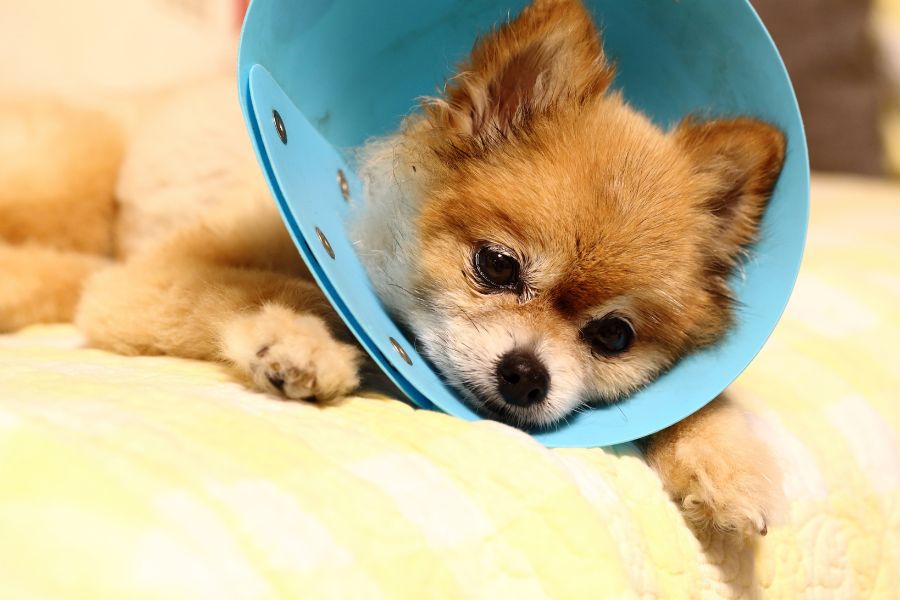
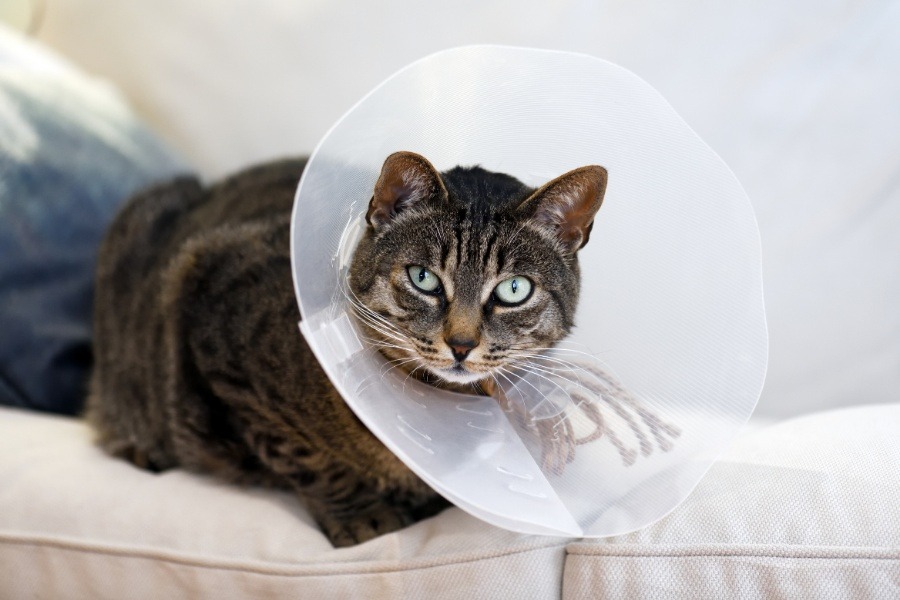
Your pet may need restricted activity, including limited running, jumping, climbing, or rough play. Provide a comfortable, quiet area for rest and prevent your pet from licking or chewing the surgical site.
Check the incision as directed and watch for significant swelling, bleeding, discharge, or separation. Give all medications exactly as prescribed, and never give human pain medication unless your veterinarian specifically approves it.
What Warning Signs Should You Watch For?
Contact your veterinary team if you notice concerning changes such as:
- Difficulty breathing
- Severe or worsening pain
- Persistent vomiting
- Excessive bleeding
- Significant swelling
- Discharge from the incision
- An open incision
- Extreme weakness
- Collapse
- Major changes in behavior
If you are unsure whether a symptom is part of normal recovery, contact your veterinary team for guidance rather than waiting.
How Long Does Recovery Take?
Recovery varies from one pet to another. A routine procedure may require a shorter recovery period, while orthopedic or more complex surgery may require additional restrictions and monitoring.
Your pet may feel better before the surgical tissues have completely healed. Therefore, follow activity restrictions even when your companion appears ready to run or play.
Why Are Follow-Up Visits Important?
Follow-up appointments allow your veterinarian to evaluate healing and address concerns. Depending on the procedure, the visit may include checking the incision, removing sutures, assessing mobility, reviewing medications, and determining when normal activity can resume.
If you notice a concerning change before the scheduled appointment, contact your veterinary team rather than waiting.
Helping Your Pet Through Surgery
A successful surgical experience involves more than the procedure itself. Careful preparation, appropriate anesthesia, patient monitoring, clear discharge instructions, and proper recovery support all contribute to your pet’s care.
Spoon River Animal Clinic provides surgical care for small animals, including spay and neuter, general, orthopedic, and laser procedures, with specialist consultation available when appropriate.
Being informed can make surgery feel less overwhelming. Follow your veterinarian’s instructions, monitor your pet closely, and ask questions whenever you are uncertain.
If your pet needs a surgical evaluation or you have questions about a recommended procedure, schedule an appointment to discuss your pet’s condition, treatment options, and expected recovery.
Frequently Asked Questions
Q1. How should I prepare my pet for surgery?
Ans: Follow all instructions provided by your veterinary team regarding food, water, medications, arrival time, and other preparations. Also, share your pet’s complete medical history, current medications, supplements, allergies, previous surgeries, and any recent changes in health.
Q2. How long does it take for a pet to recover from surgery?
Ans: Recovery depends on the type of procedure, your pet’s health, and the complexity of the surgery. Some pets recover relatively quickly, while orthopedic and more complicated procedures may require longer periods of restricted activity. Your veterinarian will provide a recovery timeline specific to your pet.
Q3. What warning signs should I watch for after my pet’s surgery?
Ans: Watch for difficulty breathing, severe or worsening pain, persistent vomiting, excessive bleeding, significant swelling, discharge, an open incision, extreme weakness, collapse, major behavior changes, or refusal to eat or drink as directed. If you notice something concerning, contact your veterinary team.
Q4. What types of veterinary surgery does Spoon River Animal Clinic provide?
Ans: Spoon River Animal Clinic provides general and advanced surgical care, including spay and neuter procedures and laser surgery. The clinic also performs basic and orthopedic surgeries for small animals and can access a board-certified surgeon for consultation when appropriate.
Q5. How are pets monitored during surgery at Spoon River Animal Clinic?
Ans: The clinic uses an advanced monitoring system, with trained technicians continuously monitoring surgical patients. Depending on the procedure, monitoring can include heart rate, breathing, oxygen levels, blood pressure, and body temperature. Heated surgery tables are also used to help maintain body temperature.
Q6. Does Spoon River Animal Clinic provide individualized surgical care?
Ans: Yes. The clinic’s surgical approach includes pre-surgical safety screening, anesthesia planning based on individual patient needs, surgical monitoring, and post-operative guidance. Its surgical services are designed to address the needs of individual pets and the specific procedures they require.